
Every January 1st, millions of us wake up with a renewed sense of purpose, vowing to break bad habits and adopt better ones. But come February, most resolutions fade into the background.
Here’s a fun fact: A 2024 Forbes Health/OnePoll survey found that 80% of respondents felt confident in achieving their goals. Yet, only 13% after 4 months, and only 1% lasts at the end of the year.
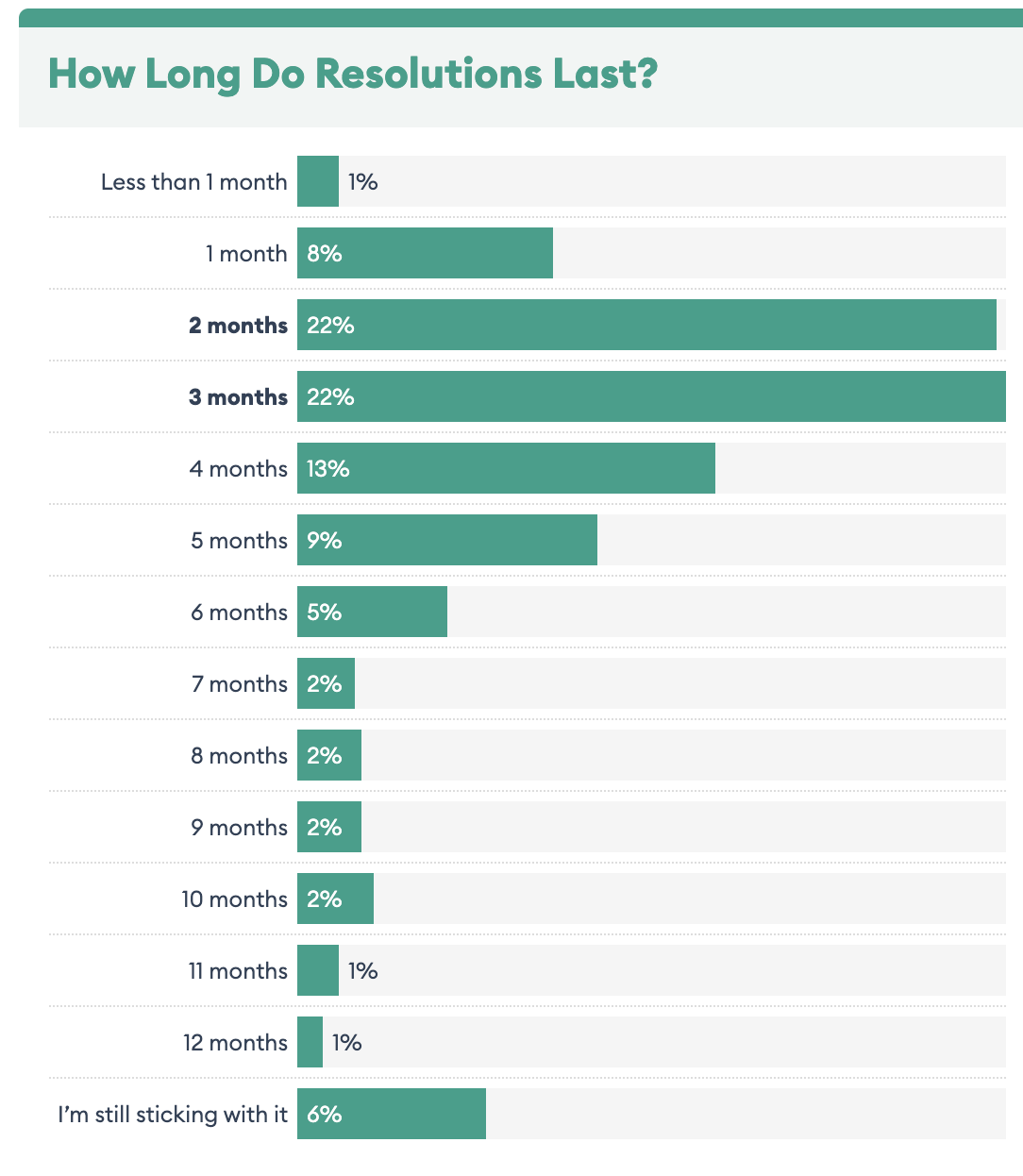
Why can’t we stick to the resolutions in the first place? I believe it is due to the wrong approach, which is to rely on willpower and motivation. Initially we have burning motivation, but its nature is to fade.

In my view, this makes sticking to resolutions a tougher problem than it seems. But this year, I’m determined to break the cycle—no matter what!
So, what does it take to stick to resolutions? It is a prepared mind. That’s my mantra for 2025. I’m starting with that initial spark of motivation and turning it into lasting change through planning and strategy.

Here’s my list of New Year’s resolutions and how I plan to stick to them. Let’s dive in.
Breaking the Bad Ones
1. Perfectionism: The Root Cause of My Procrastination
I’ll admit, perfectionism has its merits in some areas—like this ModernCaveman blog. The number of stories sitting in my drafts far outnumbers the ones I’ve published because I insist on delivering quality content.
But perfectionism shouldn’t interfere with my PhD. Here’s the problem: I spend 90% of my time obsessing over finding the perfect solution and presentation, leaving only the last minute to get anything done. The result? It’s not great, and it wakes up my “panic monster” in my mind.
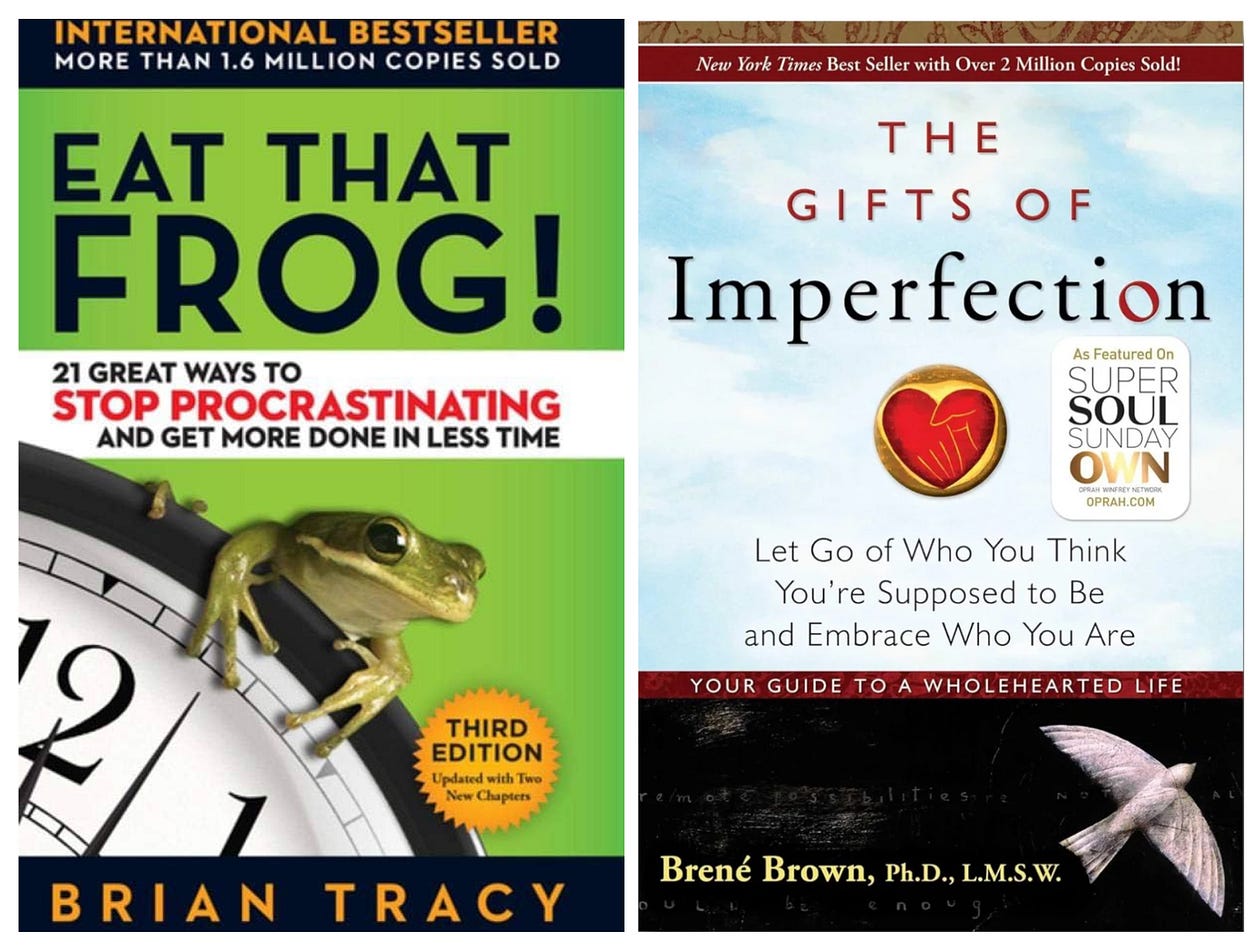
This year, I’m sticking to the principle of “do something” + “eat that frog.”
In my first few hours of the day, I will tackle the most important task—my Ph.D.—before diving into anything else. My tools for overcoming procrastination include the books Eat That Frog and The Gifts of Imperfection.
2. Balancing Dopamine: From Zombie Mode to Focus Mode
Shoutout to Andrew Huberman for enlightening me about the dopamine drama unfolding in our brains! With modern technologies and companies exploiting our dopamine pathways, it’s no wonder we often feel like zombies.
I used to binge-watch movies for that dopamine hit. Now, I’ve traded movies for Medium and BlueSky—but the result is the same: endless screen time.
Here’s a snapshot of my screen time: 6 hours per day.
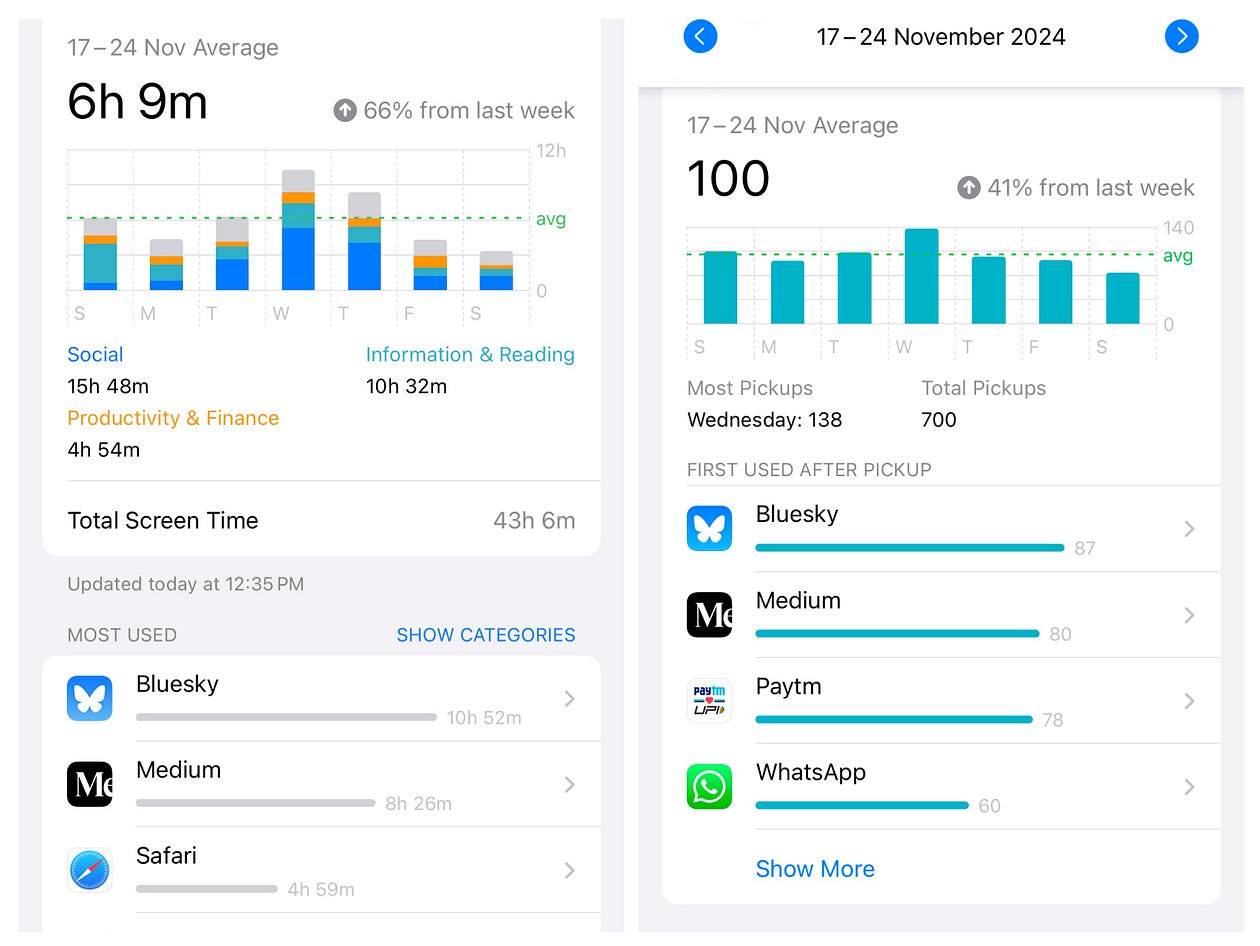
That’s embarrassing but eye-opening. So, I’ve already taken my first step: I stopped my mobile data subscription. The result? A dramatic drop to just 2 hours per day—progress!
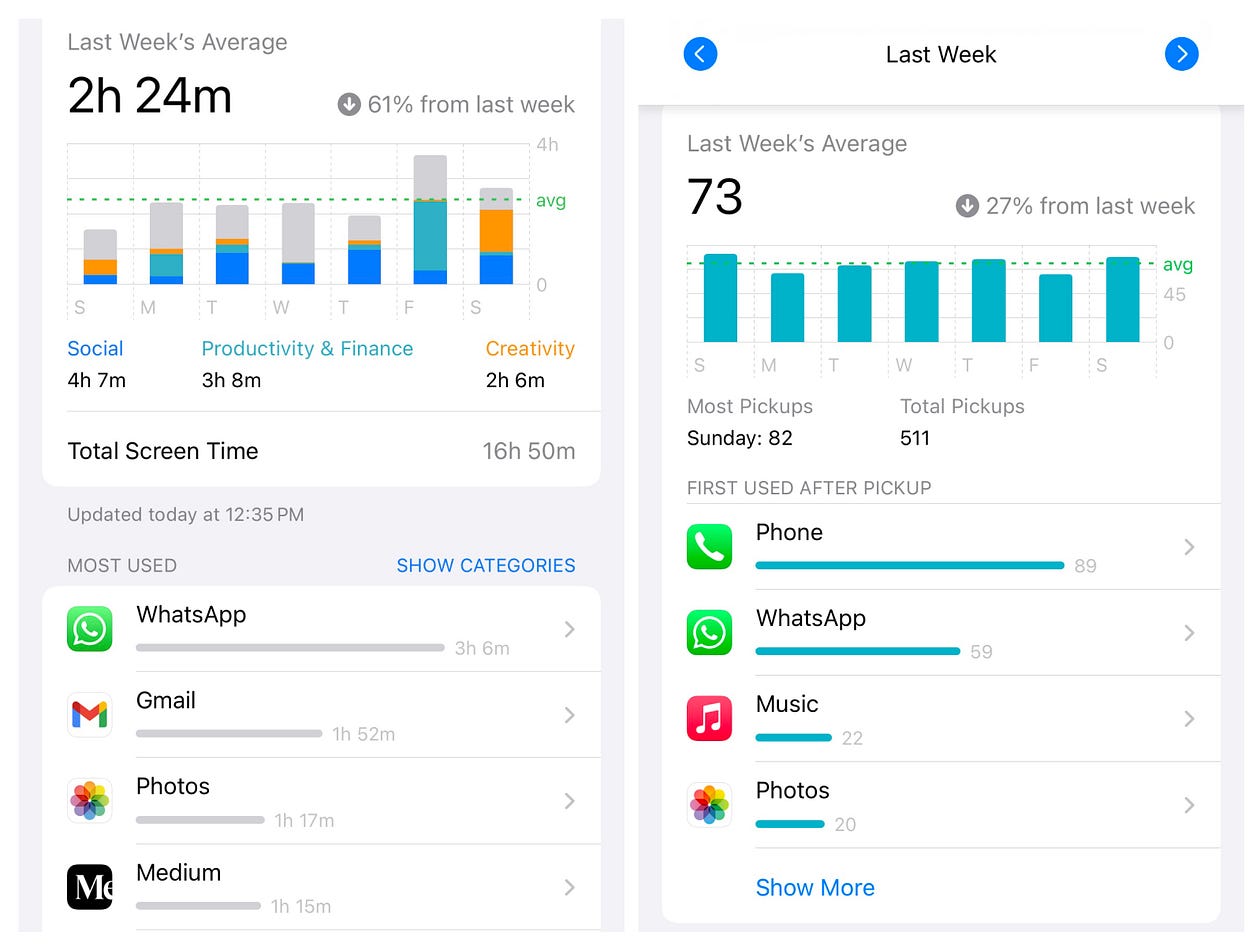
Dopamine isn’t the enemy; it’s a crucial neurotransmitter when used wisely. This quick fix is temporary, though—I know I need a long-term solution. My tools for achieving balance are Dopamine Detox and Dopamine Nation, which are helping me build sustainable habits.

3. Addiction to Nicotine: The Battle Continues
Easy Way to Quit Smoking, by Allen Carr (My Guru), was nothing short of magical—it helped me stay smoke-free for years. However, unforeseen circumstances led to a relapse during a mid-life crisis. Since then, even after re-reading the book a dozen times, the magic hasn’t worked.
So, I’ve decided to create my own solution. With the latest research in hand, I’ve started a publication and am writing my own quit-smoking guide. I’m calling it EasyWay++ to Quit Smoking. It is based on psychological tools such as CBT, ACT, and emotional schema therapy. I will also describe how the addiction is playing football without dopamine reward system. The first draft is nearly complete, and I’m confident this will be the tool that finally works for me—and for others. Read two of my published stories here. [1][2]
Adopt Good Ones
4. Fitness and Leisure: Regular Exercise, No Compromise on Sleep
A year ago, I hit rock bottom. My body forgot how to sleep and eat. Burnout crept in, dragging along a host of problems that left me questioning everything—why should we live?
This year, I’m fixing that. Sleep is non-negotiable: no more overnight work sessions. Weekends are for leisure, not catching up on work or staring at screens. My mantra is: Give my body and mind what they need, and they will give me more than what I can imagine.
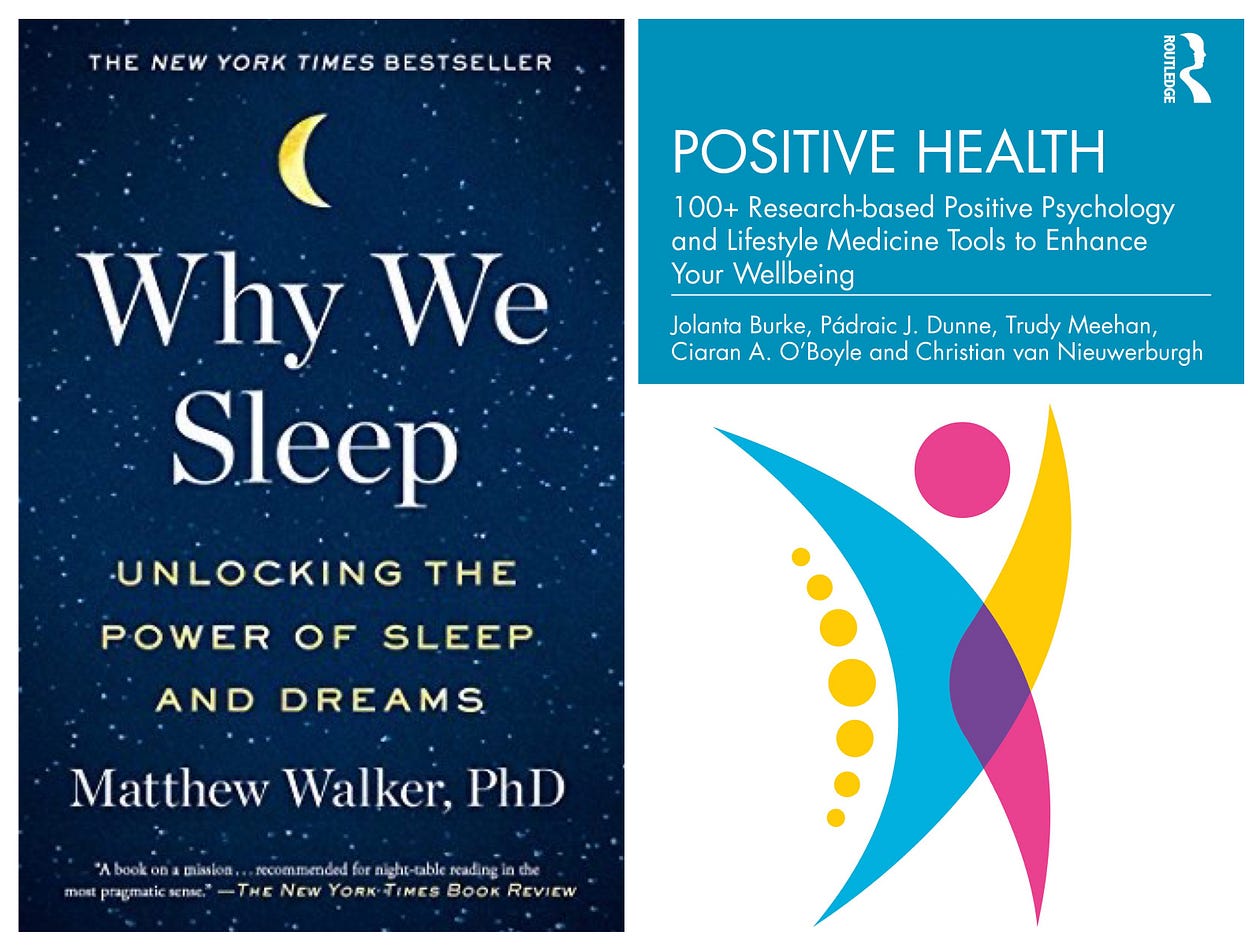
Breaking these patterns won’t be easy, but aligning my circadian rhythm with a consistent sleep schedule is the key. I’m learning techniques from Why We Sleep and 100 Tools for Positive Psychology. Sure, working less may slow my growth a bit, but it’s a trade-off I’m willing to make to avoid burnout.
Interestingly, a recent conversation with a friend confirmed this: his productivity increased when he stopped obsessing over work. I’m taking that lesson to heart.
5. Emotional Intelligence and Connecting with People
A 75-year-long research study revealed something profound: the happiest people are those with strong social connections—regardless of their wealth, power, or achievements.
Over the past few months, I’ve stepped out of my head and into the lives of others. I’ve had conversations with everyone from roadside beggars to CEOs, shared the pain of those struggling with depression, and celebrated the successes of others. These moments have added depth and meaning to my life.
What’s made me the happiest isn’t sharing intellectual knowledge—it’s sharing emotions. The book Optimal (an updated take on emotional intelligence) has been a game-changer, showing me the many ways EQ outshines IQ in leading a fulfilling life.
But there’s a catch—Nice Guy Syndrome. It’s a serious issue, one that often masks itself as kindness but comes with its own problems. No More Mr. Nice Guy is my go-to resource for breaking out of this mindset and setting healthier boundaries.

6. Money, Money, More Money: Building My Bank Balance
This one takes me back to my childhood. In Hindu mythology, meditating deeply on a God would bring them before you, offering to grant a wish. If that ever happened to me, I knew exactly what I’d ask for: knowledge—not money.
I was so convinced of this belief that I left my dream job in the Central Government—a job that could have brought me financial stability by now. Instead, I chose the path of gaining knowledge and pursuing a PhD.
While I’ve gathered a wealth of knowledge, my bank balance remains as empty as ever. Here’s the thing: knowledge is valuable, but it only pays off when you put it into action. It’s time to eat the fruits of the knowledge tree I’ve been growing, though I’m not quite sure how big it is yet.
For this resolution, I’m keeping it simple. No books, no theories—just quality work. Eight solid hours a day, focused on converting what I know into what I earn. This story is one of them.
Does this really work? I hope so—strongly!
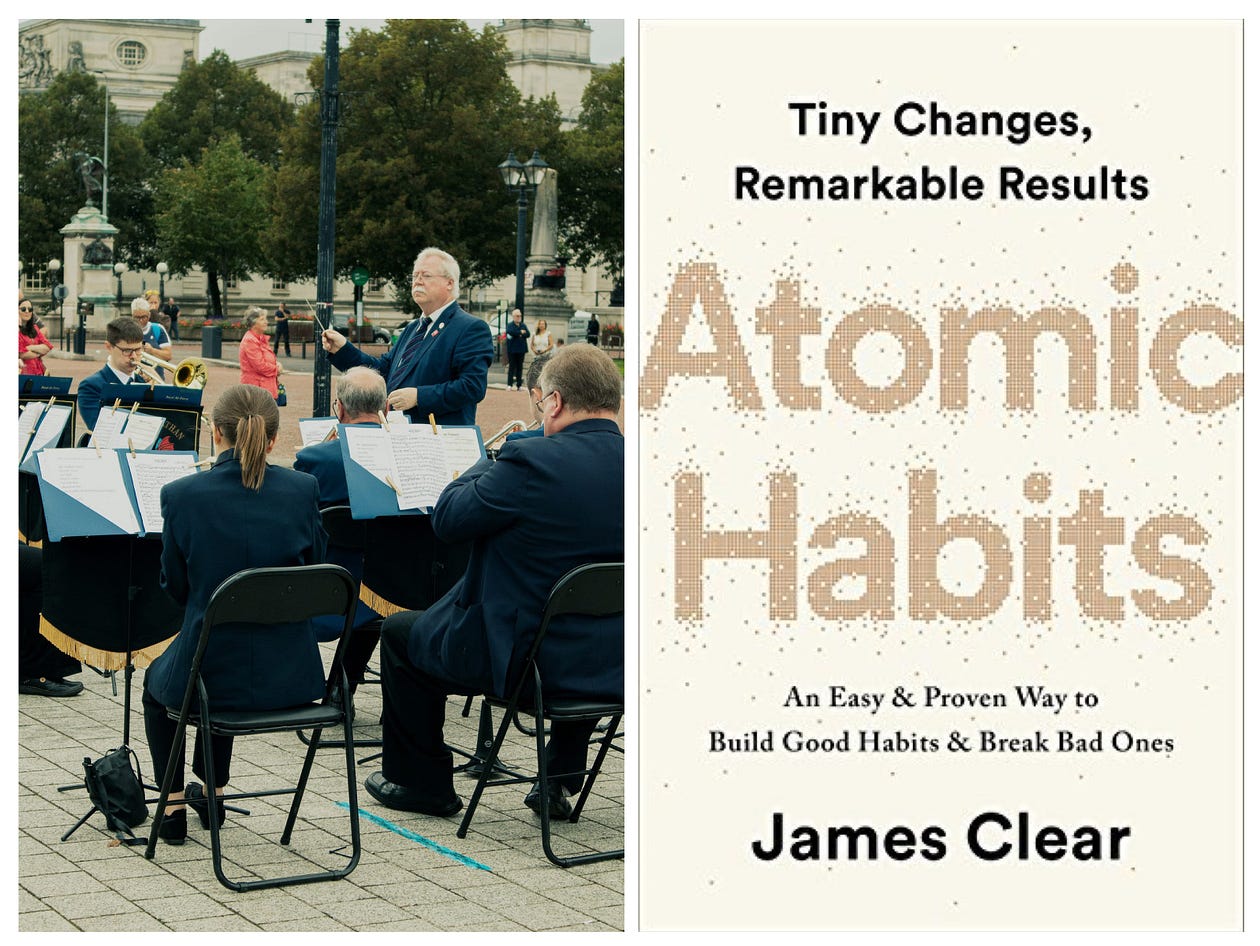
It seems like I’ve got quite a lot on my plate for 2025. It reminds me of an orchestra: without a conductor, even the most talented musicians playing their own parts would create nothing but noise. To make harmony, everything needs to be synchronised.
This is where atomic habits come into play. Instead of waiting for January 1st to make big changes, I’ve started small—since 1st December. By improving just a little every day, I am building the rhythm I need to turn these resolutions into lasting habits.
Come January 1st, I won’t just be starting a new year; I’ll already be living my new life—I hope—again strongly.
What are you currently working on for this year? And what is your strategy? Please let me know in the comment section below.


Leave a Reply